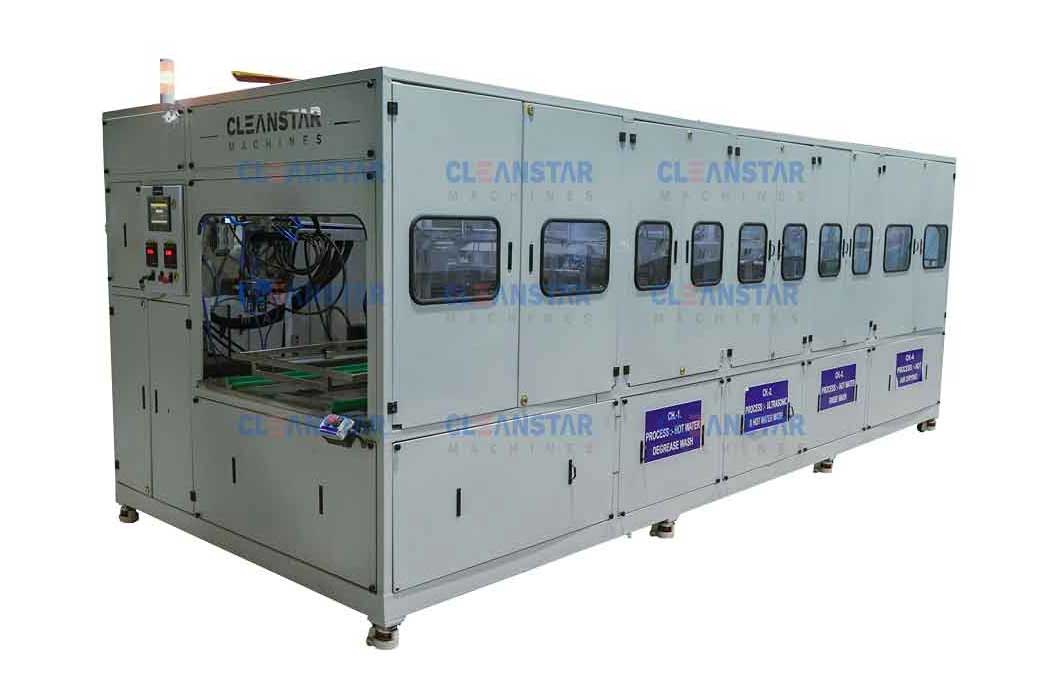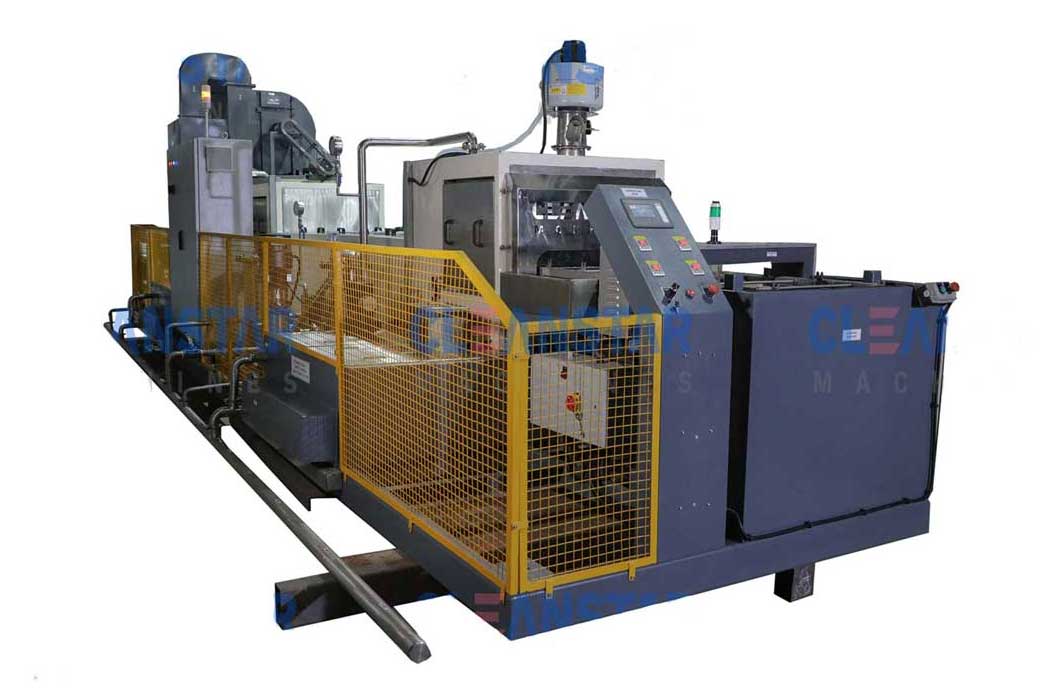


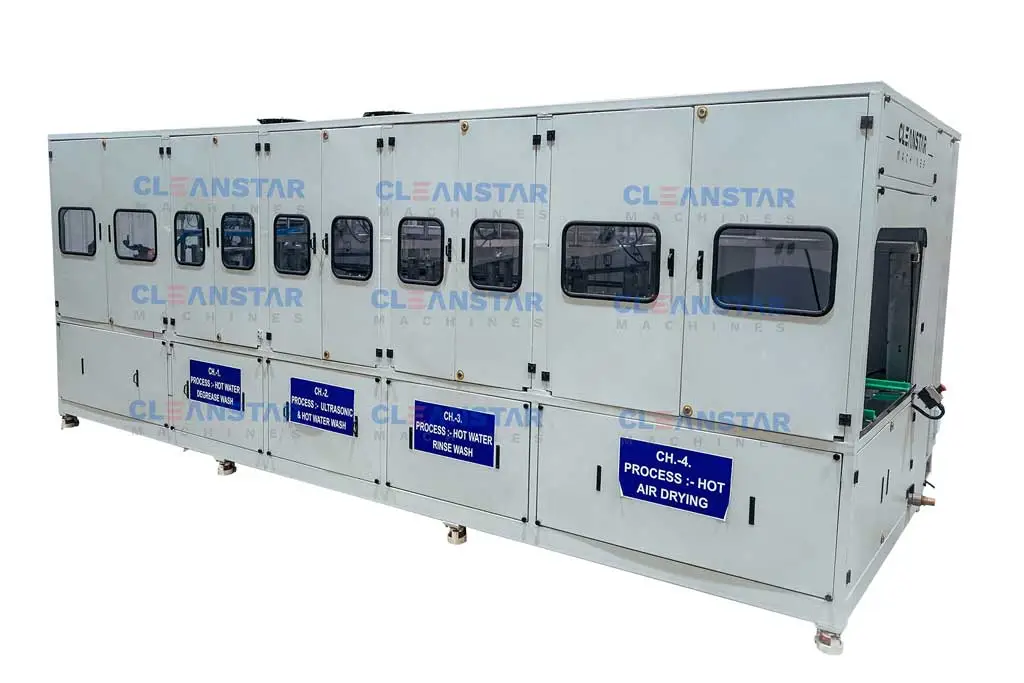
Understanding Ultrasonic Cleaning Machines and How to Use Them Effectively
Ultrasonic cleaning machines have transformed industrial cleaning processes by delivering unmatched precision, consistency, and efficiency. Whether you’re cleaning delicate electronic components, metal parts, medical instruments, or automotive assemblies, ultrasonic technology ensures deep cleaning at a microscopic level.
However, to achieve optimal cleaning results and protect your investment, it’s important to understand how to use these machines correctly. Even small mistakes in operation, setup, or maintenance can reduce cleaning performance, damage components, or shorten the life of the equipment.
In this guide, we’ll discuss the most common mistakes to avoid when using ultrasonic cleaning machines—along with practical tips to ensure long-lasting, high-quality performance.
1. Using the Wrong Cleaning Solution
One of the biggest misconceptions is that water alone is sufficient for ultrasonic cleaning. While ultrasonic waves can agitate water, effective cleaning requires a proper ultrasonic cleaning solution formulated for your specific contaminants and materials.
Different solutions are designed for removing oil, grease, rust, carbon deposits, or biological residues. Using the wrong chemical—or none at all—can lead to:
- Incomplete cleaning
- Corrosion of sensitive parts
- Damage to the machine tank
- Unnecessary re-cleaning cycles
2. Incorrect Temperature Settings
Temperature plays a vital role in the ultrasonic cleaning process. The cleaning efficiency often increases with temperature, as heat helps loosen and dissolve contaminants faster. However, excessive heat can also cause problems such as:
- Damage to delicate parts like plastics, rubber seals, or electronics
- Evaporation of the cleaning fluid
- Reduced cavitation intensity
- For most industrial cleaning applications, an optimal temperature range is 40°C to 60°C.
Tip: Always monitor your cleaning tank’s temperature and adjust it according to the type of parts being cleaned. Use built-in thermostats or digital controllers for accuracy.
3. Overloading the Cleaning Basket
Another common mistake is placing too many components in the cleaning basket at once. While it may seem efficient to clean everything together, overcrowding actually reduces cleaning effectiveness.
Ultrasonic waves need space to circulate freely and reach every surface of the parts. Overloading blocks the flow of ultrasonic energy, resulting in uneven cleaning and leaving contaminants trapped between components.
Tip: Always ensure that items are spaced out properly in the basket. If necessary, clean parts in multiple batches for consistent results.
4. Placing Parts Directly on the Tank Bottom
Placing parts directly on the tank bottom is one of the quickest ways to damage an ultrasonic cleaning machine. The transducers—responsible for generating ultrasonic waves—are usually attached to the tank bottom. Contact with heavy metal parts can cause:
- Scratches or punctures in the tank
- Transducer damage or detachment
- Irregular cavitation patterns
Tip:Always use a cleaning basket or perforated tray to keep parts suspended above the tank bottom. This ensures even cleaning and protects your equipment from unnecessary wear.
5. Ignoring Degassing Before Use
When a new cleaning solution is poured into the tank, it contains trapped air bubbles that can interfere with cavitation. Cavitation—the formation and collapse of microscopic bubbles—is the core mechanism of ultrasonic cleaning.
If the solution isn’t degassed, these air bubbles absorb ultrasonic energy and reduce cleaning efficiency.
Tip:Run the ultrasonic machine without any parts for about 5 to 10 minutes after filling the tank. This degassing process ensures that the solution is properly conditioned for optimal performance.
6. Neglecting Regular Maintenance
Like any industrial equipment, ultrasonic cleaning machines need routine maintenance to function efficiently. Ignoring maintenance can result in reduced performance, machine downtime, or even premature failure. Common maintenance mistakes include:
- Failing to change the cleaning solution regularly
- Allowing sludge or residue to build up in the tank
- Not checking for leaks or corrosion
- Ignoring electrical or transducer issues
Tip:Clean the tank periodically, drain and replace solutions as per manufacturer guidelines, and perform visual inspections. Schedule preventive maintenance to detect issues early.
7. Using the Wrong Frequency
Ultrasonic cleaning machines operate at different frequencies (commonly 25 kHz, 40 kHz, or higher), and each frequency serves specific purposes.
- Low frequencies (25–30 kHz) are better for heavy-duty cleaning—ideal for removing tough grease or contaminants.
- High frequencies (40–80 kHz) are suitable for delicate components such as electronics or precision instruments.
- Using the wrong frequency can either damage delicate parts or fail to remove tough residues effectively.
Tip:Choose a machine with the correct frequency for your application—or consider a multifrequency ultrasonic system for flexibility.
8. Not Monitoring Cleaning Time
Many operators assume that longer cleaning cycles automatically mean better results—but that’s not always true. Excessive cleaning times can lead to surface erosion, discoloration, or damage to sensitive components.
On the other hand, very short cleaning cycles may not allow enough time for cavitation to work effectively.
Tip:Start with shorter cycles (5–10 minutes) and adjust based on the contamination level and material type. Most industrial ultrasonic systems are designed to provide optimal results within 10–20 minutes.
9. Ignoring Rinsing and Drying Stages
Cleaning doesn’t end when the ultrasonic cycle stops. Failing to rinse and dry parts properly can result in residue buildup, water spots, or corrosion on freshly cleaned surfaces.
Tip:
- Use deionized or distilled water for rinsing to prevent mineral deposits.
- Incorporate heated air dryers or hot-air blowers for thorough drying.
- For critical applications, consider a multistage ultrasonic cleaning system with integrated rinse and drying tanks.
10. Not Following Manufacturer’s Guidelines
Each ultrasonic cleaning machine is designed differently based on its model, frequency, and industrial application. Ignoring the manufacturer’s recommendations can cause inefficiency or damage. Manufacturers provide detailed guidelines on:
- Cleaning solutions
- Operating temperatures and cycles
- Maintenance schedules
- Safety precautions
Tip: Always follow your manufacturer’s manual and consult them if unsure. A professional’s guidance can help you optimize performance and extend the machine’s lifespan.
11. Skipping Filtration or Fluid Circulation Systems
Over time, dirt and contaminants removed from parts accumulate in the cleaning fluid. If this dirty solution isn’t filtered or circulated properly, it can redeposit contaminants on the parts you’re trying to clean.
Tip: Use an integrated filtration system or external circulation unit to continuously remove particles and maintain cleaning consistency. This is especially important in continuous or multi-shift operations.
12. Neglecting Safety Precautions
Ultrasonic cleaning involves chemicals, electricity, and heat. Operators sometimes overlook basic safety practices such as wearing gloves, goggles, or using ventilation when handling cleaning solutions.
Tip: Follow all recommended safety protocols. Ensure the workspace is well-ventilated and the machine is properly grounded. Regularly train staff on safe operation and emergency procedures.
Conclusion:
Ultrasonic cleaning machines are among the most efficient and versatile industrial cleaning solutions available today. They can handle intricate parts, reduce manual effort, and deliver consistent results across multiple industries. However, achieving these benefits requires proper operation, correct chemical use, and regular maintenance.
By avoiding these common mistakes—like overloading, ignoring temperature settings, or skipping maintenance—you can maximize cleaning efficiency, extend equipment life, and ensure superior results for every batch of components.
As a leading manufacturer of ultrasonic cleaning machines, we ensure our systems are engineered for durability, precision, and user safety. Our team also provides expert guidance on choosing the right model, setting up cleaning parameters, and maintaining long-term performance.