

In today’s fast-paced industrial world, cleanliness has become far more than just a finishing step—it is a strategic requirement. Whether it's automotive, aerospace, pharmaceuticals, general engineering, or precision machining, every industry demands components that are spotless, contaminant-free, and ready for assembly or further processing. This growing need has positioned industrial parts cleaning equipment as an essential investment for companies seeking efficiency, quality, and reliability.
As a manufacturer of industrial parts cleaning equipment, we understand the challenges industries face in removing oil, dirt, dust, grease, carbon, rust, burrs, and other stubborn contaminants from various components. With increasing expectations for quality assurance, rising production volumes, and strict international standards, modern cleaning systems must do more than just wash—they must deliver precision, consistency, and repeatability.
This blog aims to provide an in-depth overview of industrial parts cleaning equipment, its types, working principles, industry applications, and the advantages it brings to modern manufacturing.
What Is Industrial Parts Cleaning Equipment?
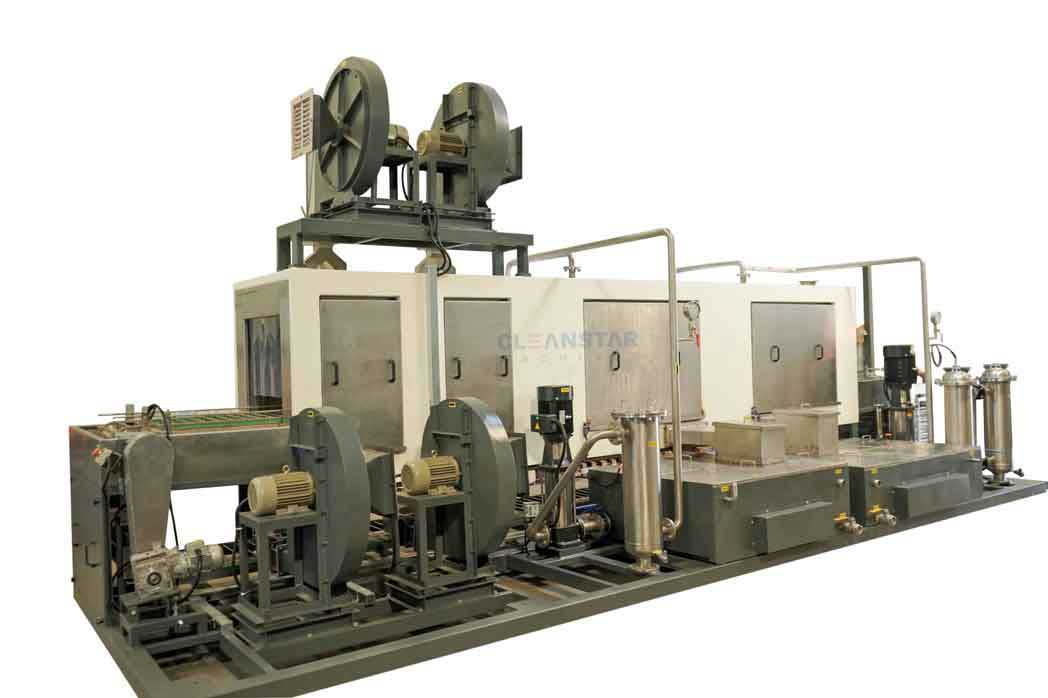
Industrial parts cleaning equipment refers to specialized machinery designed to clean, degrease, descale, or sanitize manufactured components using mechanical, chemical, thermal, or advanced ultrasonic methods. These machines are engineered to handle a wide range of materials, including:
- Metal components
- Plastic parts
- Aluminum and stainless-steel parts
- Rubber components
- Glass parts
- Composite and precision engineering parts
Unlike basic cleaning methods, industrial cleaning equipment is designed for high-volume, high-precision, repeatable cleaning, ensuring quality at scale.
Why Parts Cleaning Matters in Manufacturing
Component cleaning is not just a maintenance task—it directly impacts:
- Product Quality: Clean parts reduce defects, improve performance, and enhance the lifespan of assemblies.
- Process Efficiency: Removing contaminants ensures smooth downstream processes like painting, welding, coating, packaging, and machining.
- Compliance & Safety: Industries like automotive and pharma must meet ISO, GMP, and cleanliness standards to avoid failures and recalls.
- Cost Reduction: Properly cleaned parts reduce machine wear, rework, and rejection rates.
- Aesthetics & Branding: Clean components create a perception of superior manufacturing quality.
Types of Industrial Parts Cleaning Equipment
Different industries require different cleaning approaches. As manufacturers, we design a wide range of machines to match application needs and contamination levels.
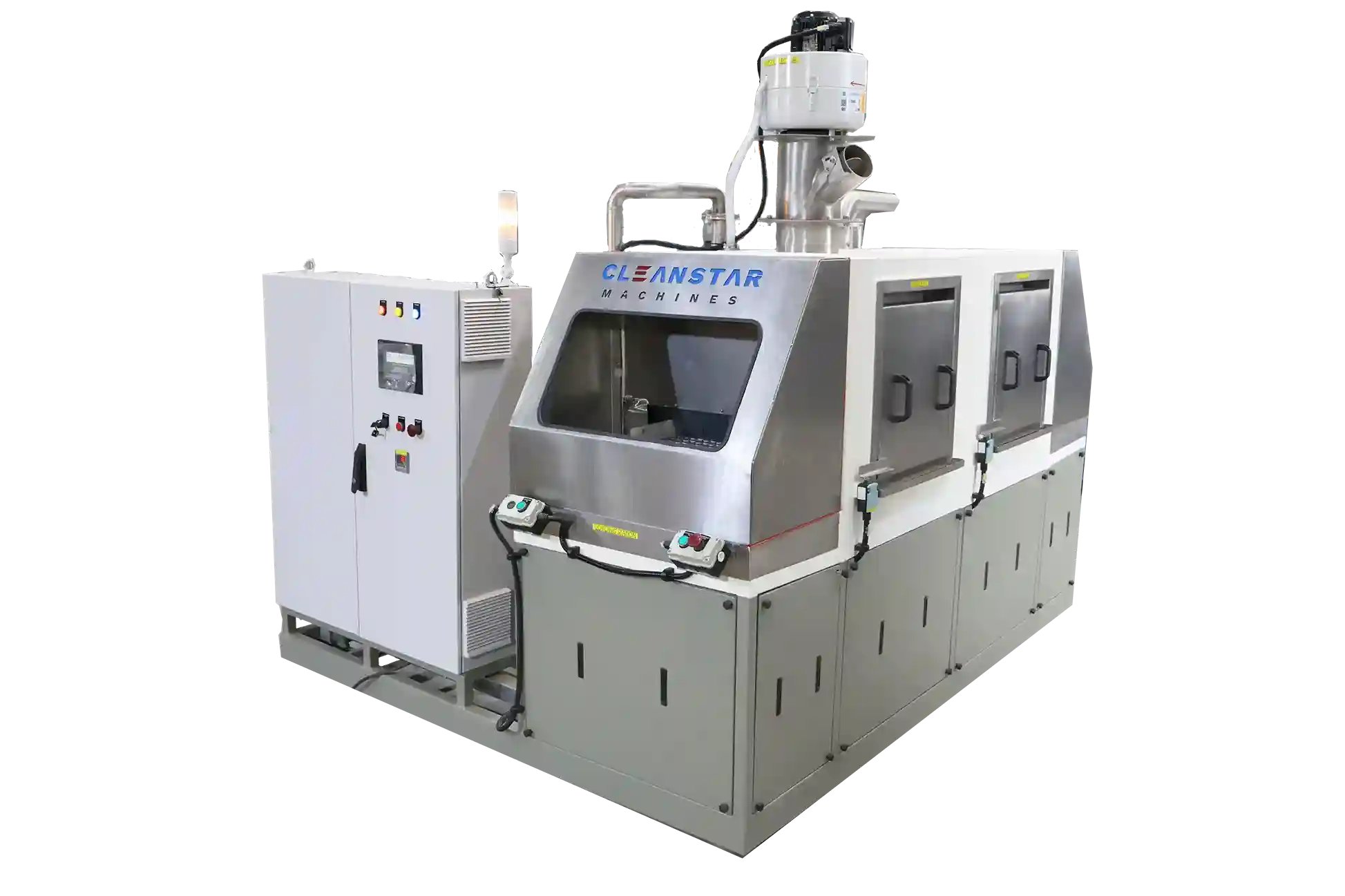
Ultrasonic Cleaning Machines
Ultrasonic cleaners use high-frequency sound waves to create microscopic cavitation bubbles that implode and remove contaminants from the surface and deep pockets of parts.
Best for: Precision components, automotive injectors, medical devices, aerospace parts, small intricate components.
Benefits: Deep cleaning, non-abrasive, reaches blind holes, fast cycles.
Spray Jet Cleaning Machines
These machines use high-pressure spray jets to remove contaminants using mechanical force combined with detergents.
Best for: Medium to large components, engine blocks, housings, industrial assemblies.
Benefits: Strong degreasing, effective for oil, dirt, and carbon removal.
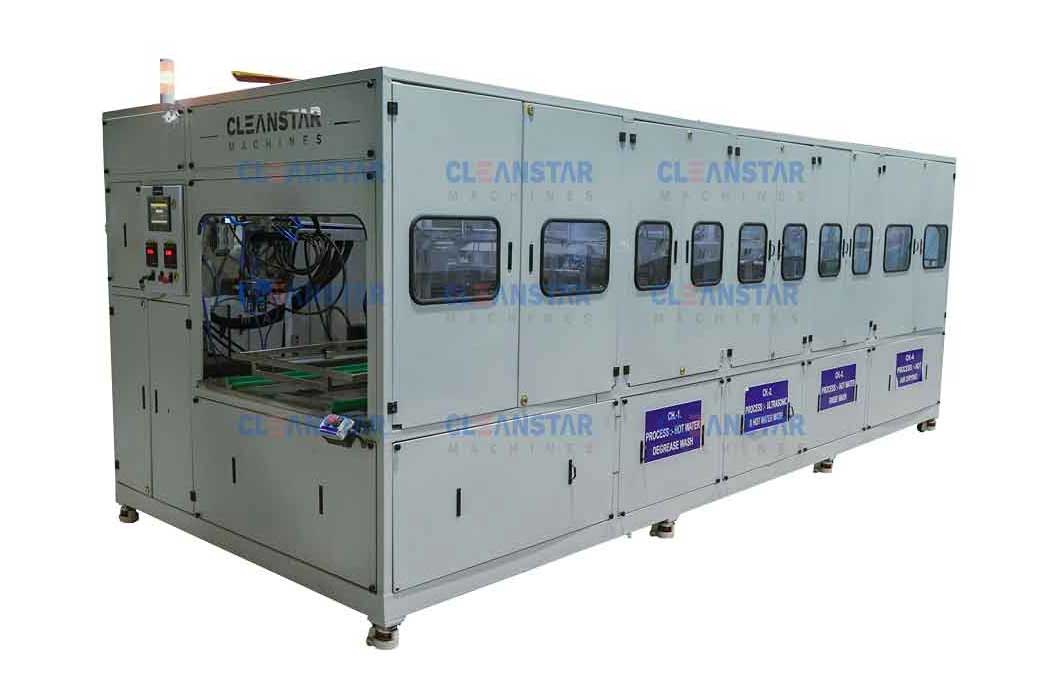
Multistage Cleaning Systems
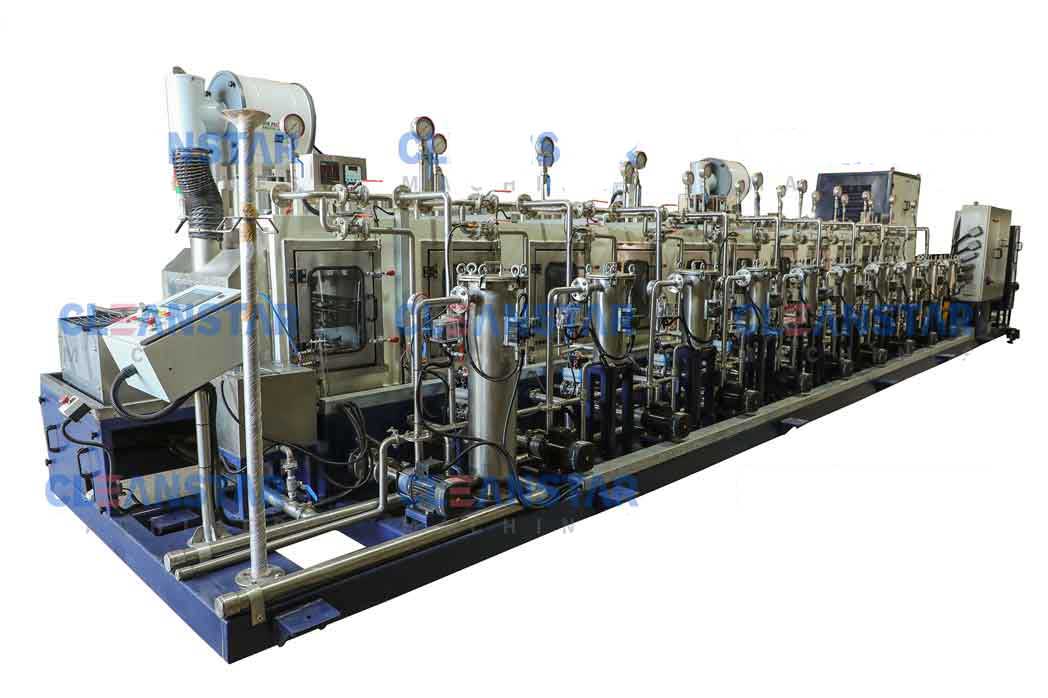
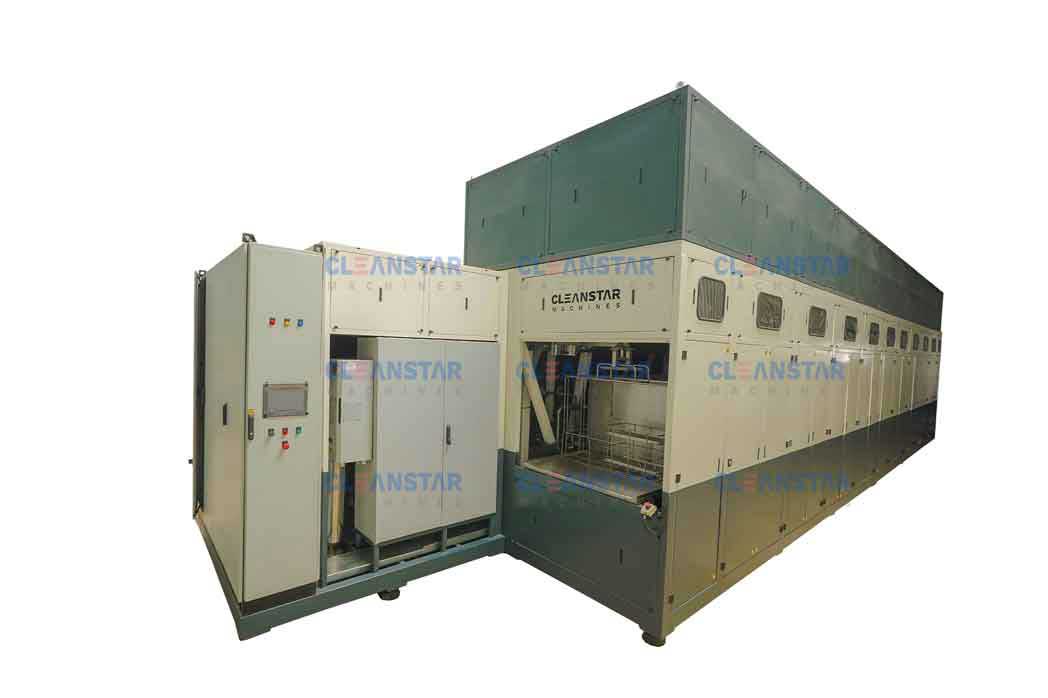
Multistage systems combine ultrasonic, spray, rinsing, air blow, hot air drying, and passivation to deliver complete 360° cleaning.
Best for:Critical industries requiring multi-process cleaning—automotive, aerospace, precision engineering.
Benefits:Consistent cleaning results with automated workflow.
Rotary Parts Washing Machines
Rotary washing involves rotating baskets or drums to clean bulk components.
Best for:Small parts in high quantities such as fasteners, nuts, bolts, bearings.
Benefits: High productivity, uniform cleaning, labor-free operation.
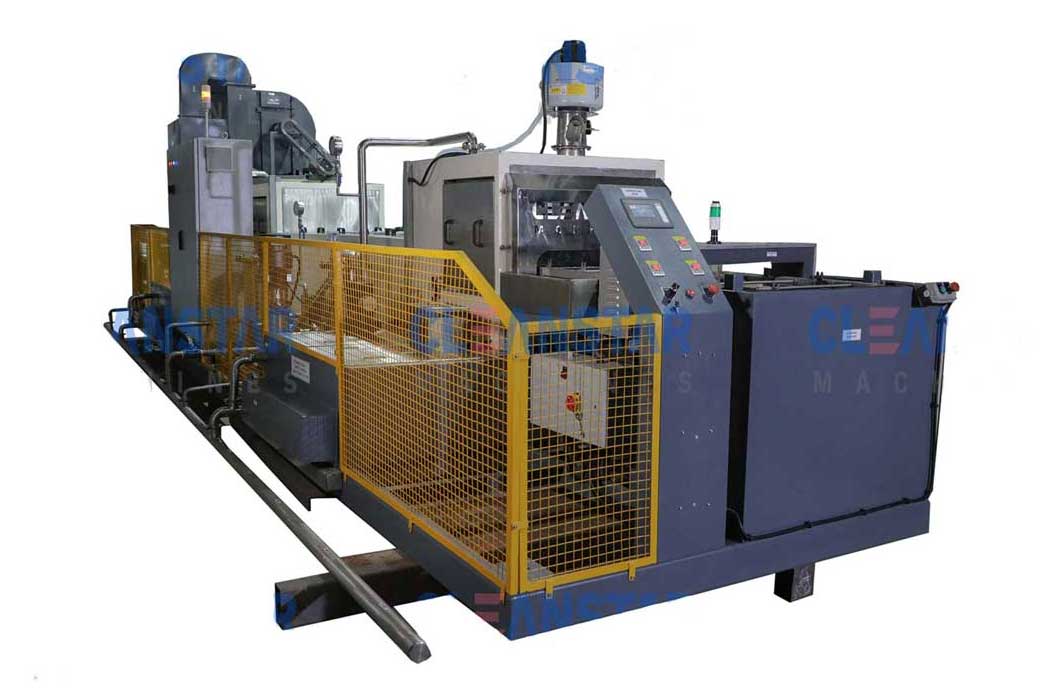
Conveyor Type Parts Washing Machines
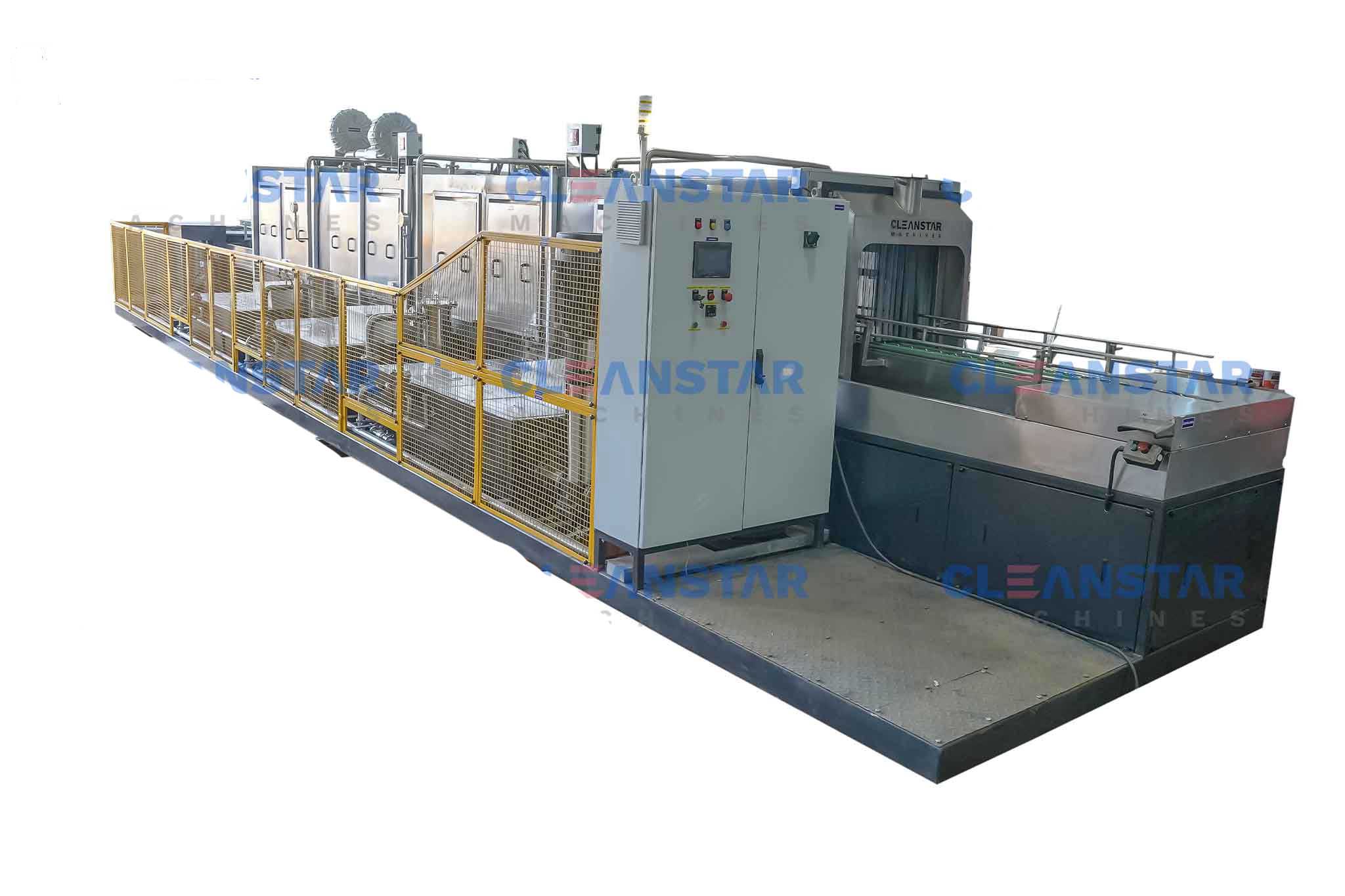
Conveyor washers are continuous cleaning systems ideal for mass production lines.
Best for: Automotive OEMs, machine shops, die casting units.
Benefits: Continuous cleaning, inline integration, excellent for scaling.
Bin Cleaning Machines
These machines clean industrial bins, crates, and containers used for handling raw materials and finished goods.
Best for:Food industries, pharma, logistics, manufacturing.
Benefits: Hygienic cleaning, high pressure washing, thorough sanitization.
AHU Filter Cleaning Machines
AHU filter cleaning systems are designed to wash, dry, and restore HVAC filters for efficient airflow.
Best for: HVAC maintenance, pharma companies, industrial facilities.
Benefits: Saves cost on filter replacement, improves air quality.
How Industrial Parts Cleaning Equipment Works
Even though different machines use different technologies, the core cleaning process typically involves:
- Pre-Washing: Removes loose dirt and heavy oils.
- Main Washing: Uses ultrasonic waves, spray jets, or chemical action to deep-clean parts.
- Rinsing: Fresh water or RO water removes chemical residues.
- Air Blowing / Hot Air Drying: Removes moisture from internal and external surfaces.
- Surface Treatment (Optional): Processes like passivation, phosphating, and rust protection.
- Final Inspection: Ensures parts meet cleanliness specifications.
This structured process ensures consistency, repeatability, and reliability for every component.
Industries That Use Industrial Parts Cleaning Equipment
Industrial parts cleaners are widely used in:
- Automotive & Auto Ancillaries: Engine parts, transmission components, fuel injectors.
- Aerospace & Defense:: Critical precision parts, turbine components.
- Pharmaceuticals & Food Processing:: Containers, AHU filters, stainless-steel equipment.
- General Engineering & Machine Shops::Machined parts, castings, forgings.
- Electronics & Electrical Manufacturing::PCBs, connectors, precision plastic components.
- Foundries & Die-Casting Units::Cast parts, tools, molds.
With growing automation and quality expectations, the usage of industrial cleaning equipment is expanding rapidly.
Benefits of Using Industrial Parts Cleaning Equipment
Modern cleaning systems offer many strategic benefits:
Choosing the Right Industrial Parts Cleaning Equipment
The right machine depends on:
As a trusted manufacturer, we help clients choose the right technology based on their industry and cleaning challenges.
Why Choose Our Industrial Parts Cleaning Equipment
As manufacturers of high-performance industrial cleaning systems, we design machines that focus on:
We specialize in ultrasonic cleaners, multistage systems, spray jet cleaners, conveyor type washers, bin cleaning machines, AHU filter cleaning machines, and many custom-engineered solutions designed to meet industry-specific requirements.
Conclusion
Industrial parts cleaning equipment is no longer optional—it is a necessity for any modern manufacturing setup aiming for precision, efficiency, and global standards. With advanced cleaning technologies like ultrasonic, spray jet, multistage, and conveyor systems, industries can achieve cleaner components, reduce rework, improve product quality, and streamline operations.
As a leading manufacturer, we continue to innovate and deliver reliable cleaning solutions that support the growing demands of industrial sectors. Whether you are looking to upgrade your existing cleaning setup or install a completely new system, the right equipment can transform your cleaning process and give your business a competitive edge.